
Is Your Ageing Furnace Still Worth Repairing? Key Factors to Consider
November 27, 2026An ageing furnace can become less reliable, more expensive to operate and increasingly difficult to maintain. However, replacing it is not always the most cost-effective solution. Understanding its condition, performance and repair requirements can help you make a sensible decision.
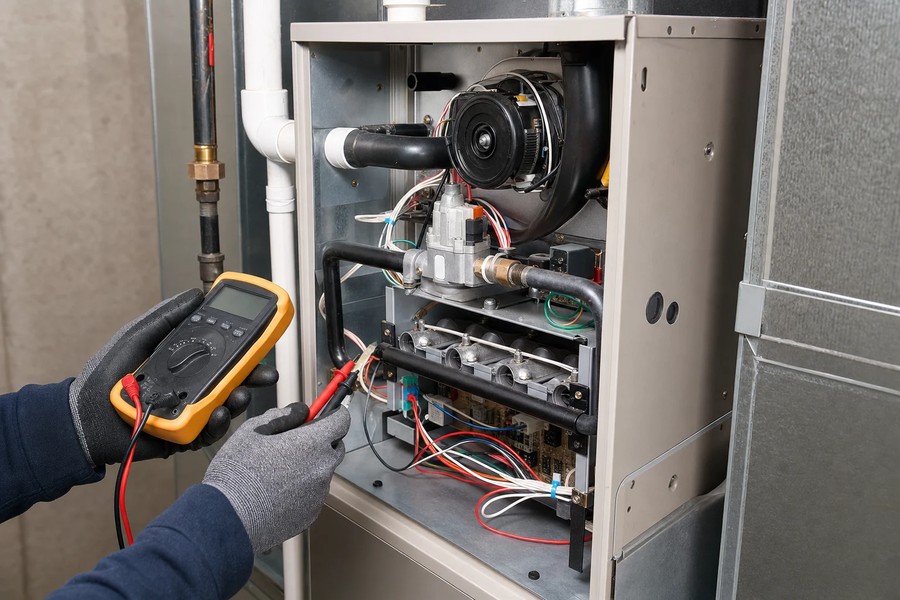
Homeowners considering furnace repair Staten Island should arrange a professional inspection before investing in a replacement. Identifying the underlying problem can help determine whether repairs will restore dependable heating or simply postpone further breakdowns.
Consider the Age of Your Furnace
The age of your furnace is an important starting point when deciding whether to repair or replace it. Most furnaces have a typical lifespan of around 15 to 20 years, although maintenance, usage, installation quality and operating conditions can influence their longevity.
A furnace approaching the end of its expected lifespan does not automatically need replacing. If it has received regular maintenance and continues to heat your home effectively, a minor repair may be worthwhile.
However, older equipment with significant wear across several components may require increasingly expensive repairs. Check the installation date, service records and previous repair history to understand its overall condition.
Evaluate the Cost of Repairs
Repair costs should be considered alongside the total expense of installing a replacement furnace. A relatively inexpensive repair may make financial sense when the remaining components are in good working order.
However, replacing an expensive component in an ageing furnace requires more careful consideration. Other parts may also be nearing the end of their useful life, increasing the likelihood of additional expenses.
Request a detailed repair estimate that includes labour, replacement parts and associated charges. Compare this with the full cost of replacement, including installation and any necessary changes to existing ductwork or electrical connections.
Review Your Energy Bills and Heating Efficiency
An older furnace may consume more energy to maintain comfortable indoor temperatures. Worn components, restricted airflow and poor maintenance can reduce operating efficiency.
Compare recent heating bills with those from previous winters, taking changes in weather, energy prices and household usage into account. Higher bills alone do not necessarily indicate that your furnace needs replacing.
A professional inspection can identify efficiency problems caused by repairable faults. If energy consumption remains excessive despite appropriate maintenance and repairs, investing in a more efficient furnace may offer better long-term value.
Look at the Frequency of Breakdowns
Occasional repairs are a normal part of owning heating equipment. However, repeated breakdowns within a short period can indicate broader deterioration.
When arranging furnace repair Staten Island, ask the technician whether the current problem is isolated or connected to the condition of other components. This information can help you avoid spending money on temporary solutions.
Keep records of previous repairs, including the components replaced and associated costs. Frequent service visits, recurring faults and unexpected heating interruptions may make replacement a more practical option.
Recognise Common Furnace Problems
Not every heating issue requires a complete system replacement. Several common furnace faults can be corrected through appropriate repairs or maintenance.
Common problems worth investigating include:
- Ignition problems:Faulty ignition components can prevent a gas furnace from producing heat.
- Blower motor faults:A malfunctioning blower can reduce airflow throughout the property.
- Thermostat issues:Incorrect temperature readings may affect heating cycles and indoor comfort.
- Blocked air filters:Restricted airflow can increase strain on internal components.
- Unusual noises:Rattling, squealing or banging sounds may indicate mechanical problems.
- Electrical faults:Damaged connections or faulty controls can interrupt normal furnace operation.
Identifying the exact cause of these problems is essential. Avoid attempting repairs involving electrical wiring, gas connections or internal safety components without appropriate professional training.
Assess Indoor Comfort and Heating Performance
Your furnace should maintain consistent and comfortable indoor temperatures. Rooms that remain cold, frequent temperature fluctuations and unusually long heating cycles may indicate declining system performance.
However, these symptoms can also result from leaking ducts, inadequate insulation or thermostat problems. Replacing the furnace without investigating these factors may leave the original comfort issues unresolved.
Ask a technician to assess airflow, ductwork and heating capacity. Understanding how the entire heating system operates can help determine whether targeted repairs or equipment replacement will deliver better results.
Prioritise Safety Over Repair Costs
Safety should always take priority when assessing an ageing furnace. Gas furnaces rely on combustion and ventilation systems that must operate correctly to prevent dangerous conditions.
A damaged heat exchanger, faulty safety control or ventilation problem requires immediate professional attention. Carbon monoxide is particularly dangerous because it cannot be detected by sight or smell.
Ensure your home has functioning carbon monoxide alarms. If an alarm sounds, leave the property immediately and contact emergency services from a safe location.
Where significant safety defects are identified, replacement may be more appropriate than investing in extensive repairs to deteriorating equipment.
Check Replacement Part Availability
Finding suitable replacement components can become more difficult as furnaces age. Manufacturers may discontinue certain parts, making repairs more expensive or increasing waiting times.
Ask your technician whether compatible components remain readily available. Using unsuitable parts can compromise performance and safety.
If essential components are increasingly difficult to obtain, replacing the furnace could reduce the risk of prolonged heating interruptions during colder months.
Consider Your Long-Term Heating Needs
Your future plans should influence the repair or replacement decision. Consider how long you intend to remain in the property, your household’s heating requirements and your available budget.
If replacement becomes necessary, ensure the new furnace is correctly sized for your home. An oversized or undersized system can contribute to inefficient operation, inconsistent temperatures and unnecessary component wear.
Professional installation and regular maintenance are equally important for supporting reliable performance throughout the equipment’s lifespan.
In Conclusion
Deciding whether to repair an ageing furnace requires careful consideration of its condition, efficiency, safety and repair history. Seeking furnace repair Staten Island can help establish whether your existing system remains suitable for continued use.
Obtain a detailed inspection and compare repair expenses with long-term replacement costs before making your decision. Prioritise safe operation, dependable heating and regular maintenance to protect your household’s comfort and manage future expenses.